
Are Porcelain Veneers a Good Idea? 7 Factors to Consider
Let's say you like your smile overall – but still notice one or two details in photos.
A darker tooth, uneven edge, small gap, or short tooth can quickly catch your eye. This may have you wondering: “are porcelain veneers a good idea for me?” Porcelain veneers can change the color, shape, size, and overall look of selected teeth. Still, they do not suit every cosmetic concern. They may work well when your teeth and gums are healthy, and your goals are realistic. Whether they’re right for you or not can be subjective, so it’s worth considering your reasons.
Are Porcelain Veneers a Good Idea for Your Oral Health and Lifestyle Needs?
Choosing cosmetic dental care involves more than picking a shade or deciding how many teeth to treat. You also need to consider enamel changes, appearance, durability, daily habits, cost, and other treatment options. Veneers also require a long-term commitment because the teeth often need some preparation. Looking at these seven factors can help you decide whether veneers fit your smile and your dental needs.
1. What Do You Want Porcelain Veneers to Change?
Start by deciding what you actually want to change about your smile. Veneers can cover stubborn stains, smooth uneven edges, close some small gaps, and improve certain chips or unusual tooth shapes. They can also make selected teeth look longer, wider, or more balanced. However, veneers do not correct every dental problem, and major bite issues, decay, severe damage, or large position changes may need other care first. Clear goals help your dentist decide whether veneers can create the change you want without unnecessarily treating healthy teeth.
2. Are Your Teeth and Gums Healthy Enough for Veneers?
Cosmetic treatment should start with healthy teeth and gums. Your dentist should check for cavities, gum disease, weak teeth, worn fillings, and other problems before planning veneers. Covering a tooth does not remove decay or fix unhealthy gums underneath, and gum health also affects how well each veneer fits. A badly weakened tooth may need a crown because it requires more support than a veneer can provide. Existing dental work can also affect the plan, so your dentist needs to examine each tooth before deciding whether veneers are a suitable choice.
3. Are You Comfortable With Enamel Being Altered?
This is an important question because traditional porcelain veneers often require some enamel removal. Your dentist may remove a thin layer from the front of the tooth so the veneer fits naturally and does not look bulky. How much enamel needs to be removed varies according to the tooth’s location, condition, and planned veneer. Once the dentist removes enamel, that change is permanent, so the tooth will still need proper care and a restoration. Some people qualify for minimal-prep options, but you should ask exactly how much tooth structure will change before agreeing to treatment.
4. Will the Veneers Look Natural With Your Smile?
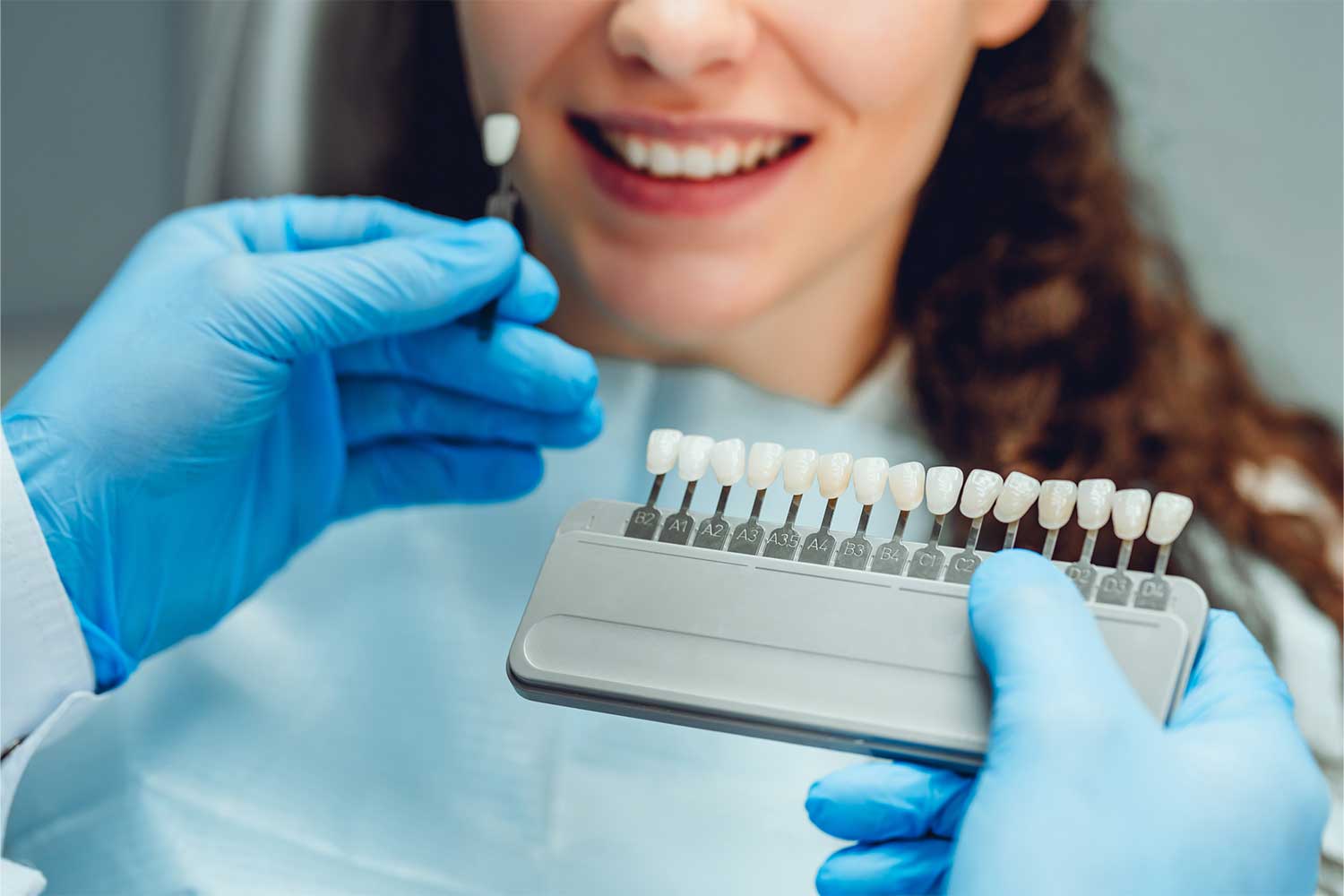
Good veneers should fit your whole smile, not just make your teeth look whiter. Your dentist considers tooth shape, length, width, shade, gumline, lip movement, and nearby natural teeth when planning the result. Porcelain can also copy some of the slight transparency seen in natural enamel, which can help the restoration blend with your smile. A very bright shade may look out of place beside untreated teeth, and the number of veneers affects how balanced the final result appears. Photos, previews, mock-ups, or temporary restorations can help you decide whether you want a subtle improvement or a more noticeable change.
5. How Long Can Porcelain Veneers Last?
Porcelain veneers are made for long-term use, but they will not necessarily last forever. Their lifespan depends on your bite, oral hygiene, daily habits, tooth health, and how well you maintain them. Porcelain often resists stains well, but the teeth and gums around each veneer still need regular brushing, cleaning, and professional care. Over time, a veneer can chip, crack, loosen, or need replacement, while gum changes or decay underneath can also affect the result. Regular dental exams help your dentist check both the veneers and the natural teeth supporting them before small problems become harder to manage.
6. Could Your Daily Habits Damage Veneers?
What you do after treatment can affect how well your veneers hold up. Grinding or clenching can put extra force on porcelain and the natural teeth underneath, while chewing ice or biting hard objects can also cause damage. Using your teeth to open packages or bite your fingernails adds stress that veneers do not need. If you grind at night, your dentist may recommend a custom night guard for added protection. Normal brushing, cleaning between the teeth, and regular dental visits also protect the veneer, gumline, and natural tooth beneath it over time.
7. Do the Cost & Alternatives Make Sense for You?
Porcelain veneers are only one way to improve a smile, so compare the expected change, long-term commitment, and cost with other treatments before deciding. Professional teeth whitening may make more sense when color is the main concern, while dental bonding can fix small chips, gaps, or shape issues. Invisalign or another orthodontic treatment may help when tooth position causes the concern, and a crown may suit a tooth that needs more structural support. Veneer cost can vary by the number of teeth, case difficulty, materials, and other dental care, while insurance may cover cosmetic treatment differently than necessary care. Compare future maintenance and replacement needs, along with the initial cost, so your choice addresses the real problem while preserving healthy tooth structure.
Conclusion
You may be a suitable candidate for porcelain veneers if you have good oral health and realistic cosmetic goals. Consider the permanent enamel changes, future care, daily habits, and total cost before deciding. Your dentist can determine whether each tooth is healthy enough for treatment.
Other treatments may achieve similar results while preserving more natural tooth structure. A consultation can help you compare veneers with whitening, bonding, orthodontics, or crowns. Contact us to learn which option may best fit your smile goals.
Call McKinney Dental in Chattanooga at (423) 707-2986 today to schedule a consultation and find out if porcelain veneers are right for you.
